Recycling and Sustainability — Hedge Trimming Enfield
 Hedge Trimming Enfield is committed to an eco-first approach to garden clearance, waste separation and sustainable rubbish gardening. Our team working on Enfield hedge trimming projects combines traditional craft with modern environmental practice: on-site segregation, mulching of clippings, and responsible transfer to approved facilities. We treat every hedgerow as a resource — not refuse — and embed sustainability into every routine cut, trim and tidy. Our approach aligns with the borough's push for clearer waste separation and smarter local reuse.
We set a clear recycling percentage target as part of our operating plan: to divert at least 75% of green and garden waste from landfill within 12 months and to push an overall recycling rate of 70% across all job-related waste streams by the end of the next year. This target covers wood chippings, leaf litter, soil, small branches and recyclable packaging generated during works. By measuring outputs per job and reporting on diversion rates regularly, our Enfield hedge cutting teams remain accountable and continuously improve their low-waste techniques.
 Our fleet modernization is central to reducing carbon impact on local streets. We operate a mix of low-emission and low-carbon vans and are phasing in electric vehicles and hybrids across our routes. Vehicle telematics and optimized routing reduce mileage, while smaller low-emission vans are used for tight residential access in the borough. These measures cut diesel consumption, lower noise and improve air quality during routine hedge and shrub works across Enfield and neighbouring boroughs.
Local Transfer Stations, Civic Sites and the Borough’s Waste Strategy
We make use of local transfer stations and civic amenity sites that serve Enfield to ensure material is handled by licensed processors. Where appropriate we utilise Edmonton EcoPark and council recycling centres (the council-managed household waste and recycling centres serving the area) to route separated timber, green waste and inert soils to their best end-use. This ensures compliance with local planning and waste regulations and keeps material streams clear for processing into compost, biomass or re-use material.
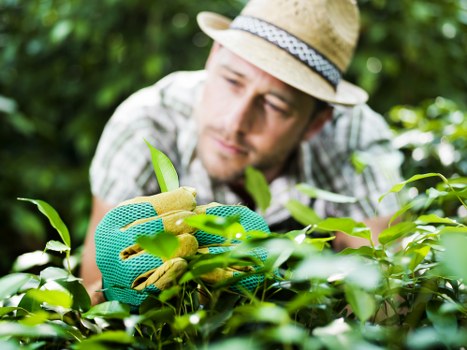 Partnerships with charities and community groups are an essential element of our sustainable disposal strategy. We regularly coordinate donations of reusable plants, potted shrubs and larger root-balled specimens to community allotments, neighbourhood greening projects and local conservation initiatives. We also contribute suitable wood and untreated timber to community wood-reuse schemes and mulch-banking projects. Such collaborations turn what would be waste into value for social and environmental programmes across the borough.
Our operations respect the borough's approach to waste separation: we segregate garden waste for composting, separate timber for chipping and biomass, collect metals and plastics for recycling, and identify soils and aggregates for reuse on-site where safe and appropriate. We avoid mixing streams to mirror the council’s sorting regimes and to reduce the risk of contamination that would otherwise send material to landfill.
Practical Steps for Sustainable Rubbish Gardening
On-site, our crews use clear bins and labelled sacks to split waste at source. We prioritize these actions:
- Composting: leaves, small trimmings and non-woody material are sent for composting.
- Chipping and mulching: woody cuttings are chipped and returned as mulch to clients or used in public planting schemes.
- Reuse & donation: healthy plants and topsoil reused on community sites or given to partners.
 To further limit environmental impact we adopt low-input maintenance techniques: targeted pruning that keeps hedges healthy while reducing waste volume, use of biodegradable twine and collection materials where possible, and strict segregation to prevent contamination. We also favour mechanical mulching tools that lower fuel use and speed site turnaround, helping us meet our recycling targets while saving time and lowering our carbon footprint.
 Reporting and continuous improvement close the loop. Every project is logged with a breakdown of volumes reused, composted or transferred to authorised facilities, enabling us to measure progress towards our percentage targets. By combining low-carbon vans, close links with local transfer stations, and practical partnerships with charities and community groups, our hedge cutting Enfield teams deliver high-quality, sustainable hedge management that supports the borough’s waste separation aims and creates greener, cleaner neighbourhoods.
Our pledge: to keep refining practices until hedge care, garden waste and rubbish gardening in Enfield are managed with maximum environmental benefit — minimizing landfill, maximizing reuse, and supporting the local green economy through transparent targets and community-focused partnerships.