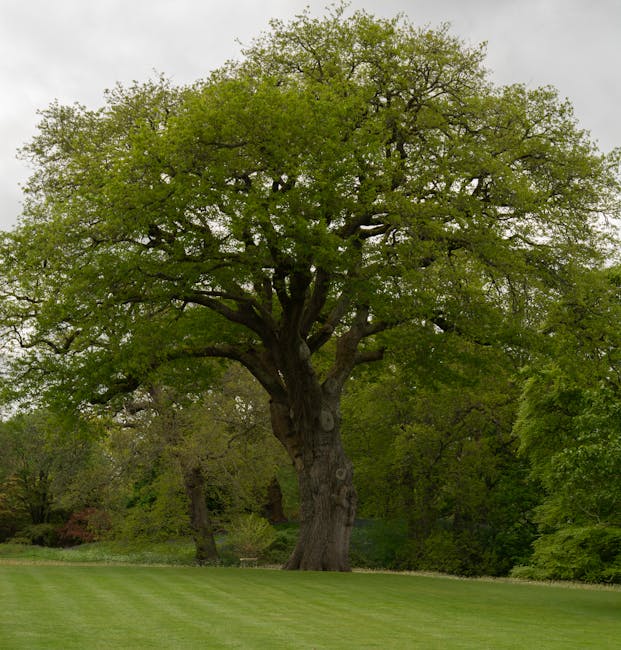
Permits for tree work with Enfield gardeners and Council rules
If you are planning tree work in Enfield, the paperwork can feel like the annoying bit nobody mentioned at the start. One minute you are thinking about a tidy crown reduction or removing a leaning tree after a windy night, and the next you are wondering whether you need council permission, a tree preservation check, or something more formal. That is exactly where Permits for tree work with Enfield gardeners and Council rules becomes useful. It is not just about staying on the right side of the rules; it is about avoiding delays, fines, and a lot of back-and-forth that could have been prevented with one early check.
In this guide, we will walk through how tree work permissions usually work in plain English, when Enfield Council rules may apply, what gardeners and tree workers should check before starting, and how to keep the job safe, legal, and sensible. If you are also comparing wider garden services, you may find the broader information on services overview useful, especially if the tree work is part of a bigger garden project.
Let's face it: most people do not want to become tree-law experts. They just want the tree sorted properly.
Table of Contents
- Why Permits for tree work with Enfield gardeners and Council rules Matters
- How Permits for tree work with Enfield gardeners and Council rules Works
- Key Benefits and Practical Advantages
- Who This Is For and When It Makes Sense
- Step-by-Step Guidance
- Expert Tips for Better Results
- Common Mistakes to Avoid
- Tools, Resources and Recommendations
- Law, Compliance, Standards, or Best Practice
- Options, Methods, or Comparison Table
- Case Study or Real-World Example
- Practical Checklist
- Conclusion
- Frequently Asked Questions
Why Permits for tree work with Enfield gardeners and Council rules Matters
Tree work is not always as simple as trimming a few branches on a Saturday morning. In Enfield, as in many London boroughs, trees can be protected by planning controls, conservation area rules, or other local restrictions. That means a job that looks routine from the pavement may still need checking before anyone touches a saw.
This matters for three big reasons. First, trees can be legally protected even if they are on private land. Second, work done without the right permission can create avoidable problems for the property owner and the contractor. Third, a good gardener or tree worker will want to protect both the tree and your liability. That sounds dry, but in real life it is the difference between a clean, confident job and a messy one with phone calls no one enjoys.
There is also a practical side. If you are having garden work done around a tree, the tree can affect access, waste removal, machinery movement, and even the order in which the project should happen. A proper check at the start saves time later. A lot of time, sometimes.
Expert summary: The safest approach is to assume tree work may need a permission check until you have confirmed otherwise. That one habit prevents most of the avoidable headaches.
For homeowners, landlords, and managing agents, the stakes are slightly different, but the principle stays the same. If a tree is protected, or if the site sits within a conservation area, the permission question comes before the pruning saw. No exceptions, really. Well, apart from emergency work where safety comes first, but even then records matter.
How Permits for tree work with Enfield gardeners and Council rules Works
Here is the plain-English version. Before starting tree work, you need to establish whether the tree is subject to planning protection or local restrictions. In practice, that usually means checking whether the tree has a Tree Preservation Order, whether the property is in a conservation area, and whether the work you want to do is classed as pruning, reduction, felling, or something more substantial.
Not every job needs a formal permit in the way people imagine. Sometimes the work is exempt, sometimes it needs prior notice, and sometimes it needs explicit approval. The exact route depends on the tree, the location, and the proposed work. That is why a one-size-fits-all answer is risky. A hedge trim is not the same as removing a mature oak. Obvious, yes, but worth saying.
Enfield gardeners typically help by assessing the tree, identifying whether the work is likely to need council involvement, and advising on the right next step. Good professionals should not simply assume they can proceed because "it looks fine." They should check, explain, and document. If they are also handling broader maintenance, the garden maintenance service can be a useful place to fold the work into a planned schedule rather than treating it as a one-off scramble.
In a practical sense, the process often looks like this:
- Identify the tree species, size, condition, and exact location.
- Check whether the property is in a conservation area or similar controlled setting.
- Confirm whether a Tree Preservation Order or other protection may apply.
- Describe the proposed work clearly and narrowly.
- Submit any required notice, application, or request before starting.
- Wait for the relevant response or expiry period before proceeding.
If that sounds a bit formal for a garden job, it is. But the rules exist because trees are not just garden features; they can be part of the local landscape character, wildlife habitat, and street scene. That is why councils take them seriously.
Key Benefits and Practical Advantages
Doing tree work the right way is not just about compliance. It has everyday advantages too.
- Less risk of disruption: You avoid having work stopped halfway through because permission was missed.
- Clearer budgeting: The project is easier to cost when the legal steps are known in advance.
- Better safety planning: Trees, ladders, ropes, and debris all need proper handling.
- More confidence in the result: A careful job tends to look better and last longer.
- Stronger property care: Protected or mature trees are treated with the respect they deserve.
There is a quieter benefit too: peace of mind. You are not left wondering whether the work was done properly. For many homeowners, that matters as much as the cut itself. Especially when the tree overhangs a drive, sheds branches in winter, or has become a bit of a nuisance near the fence line.
If the tree work is part of a bigger outdoor refresh, it may be sensible to combine it with other services such as landscaping or landscape gardening. That way the site is planned as a whole, not chopped into bits that complicate the work order.
Who This Is For and When It Makes Sense
This topic is relevant to anyone arranging tree work in Enfield, but some people need it more urgently than others.
- Homeowners dealing with a mature tree, storm damage, or a tree that is too close to the house.
- Landlords and letting agents who need maintenance done properly and documented.
- Property managers responsible for communal gardens, boundary trees, or access routes.
- Gardeners and contractors who want to avoid making assumptions that could backfire.
- Older residents or busy households who need the job handled safely with minimal fuss.
It makes sense to take this seriously whenever the tree is large, mature, visible from the street, near a boundary, or in a conservation area. It also makes sense if the work is anything beyond light trimming. In our experience, the jobs that go wrong most often are the ones people thought were "obviously fine." Funny how often that phrase appears right before a problem.
If the tree is leaning, damaged, or dropping limbs, the question becomes more urgent. You may still need to document the situation and check the rules, but safety and immediate risk should guide the pace. Not panic, though. Just sensible action.
Step-by-Step Guidance
Here is a practical way to handle tree work permissions without getting tangled up in jargon.
1. Identify the exact tree and the exact work
Write down what needs doing. Is it crown reduction, crown thinning, pruning deadwood, pollarding, stump removal, or full removal? Councils and tree professionals do not all treat these tasks the same way, so being specific matters.
2. Check the site context
Find out whether the property is in a conservation area or whether the tree looks protected. If you are unsure, that is normal. A lot of people are unsure. The key is not to guess.
3. Ask the gardener or contractor what they have checked
A competent Enfield gardener should be able to explain whether the work needs a council application, notice, or no permission at all. If the answer is vague, ask again. Calmly. No need for drama.
4. Confirm the scope of work in writing
Once the legal side is clear, make sure the proposed work is described clearly. "Trim the tree" is too loose. "Reduce the crown by a limited amount to manage overhang and improve light" is more useful. The detail protects everyone.
5. Arrange the work only when the permissions are in place
Do not start early because the weather is good or the crew is already there. That is a classic mistake. If permission or notice is required, the timetable should respect it.
6. Keep records
Keep the correspondence, photos, and any confirmation you receive. If the tree is ever questioned later, records are worth their weight in gold. Well, nearly.
For larger clearances around trees, especially after a long season of growth, the garden clearance service can help with the wider cleanup once the tree work itself is sorted. That is often the bit people underestimate: the branches are only the start; the mess is the sequel.
Expert Tips for Better Results
A few small habits make a noticeable difference.
- Use a narrow brief. Ask for only the work that is genuinely needed. Overly aggressive pruning can stress a tree and may also trigger more scrutiny.
- Check for nesting birds or wildlife. Timing matters. Even when tree work is otherwise allowed, the practical timing should be sensible and humane.
- Photograph the tree before and after. This helps with records and avoids confusion later.
- Choose method over speed. A tidy, controlled cut is better than a rushed one. Every time.
- Think about the future shape. A tree can be managed better if the work is planned as part of its long-term form, not just a quick fix.
To be fair, some of the best tree jobs look almost invisible when finished. That is a good sign. The tree still looks like a tree, only healthier and safer. The garden feels lighter too, almost quieter in the morning.
If you are combining the work with hedge or boundary maintenance, it can help to schedule it alongside hedge trimming. That way the whole edge of the garden is treated consistently, instead of one section looking neat and the next one looking forgotten.
Common Mistakes to Avoid
These are the errors that cause most of the avoidable grief.
- Assuming all tree work is exempt. It is not.
- Using vague language. "Cut it back a bit" is not enough for planning or quoting.
- Starting before permission is confirmed. Once the cut is made, you cannot undo the timing.
- Ignoring neighbouring trees or boundaries. Overhanging branches and shared roots can complicate things quickly.
- Hiring someone who will not explain the rules. If they brush it off, that is a warning sign.
- Forgetting about waste. Branches, logs, chips, and leaf litter need proper removal and disposal.
One especially common issue is thinking that because a tree is on private land, nobody else has an interest in it. Council rules can say otherwise. Another is believing a small job is automatically a low-risk job. Sometimes the smallest prune is the one that matters most, legally speaking.
If the work is being done after a storm or during a wider seasonal tidy-up, the timing can make people rush. That is when mistakes creep in. Slow down just enough to check the details. It saves trouble later.
Tools, Resources and Recommendations
You do not need a truck full of specialist kit to understand the permissions side, but a few things help.
- Photos of the tree and surrounding area so the work can be assessed properly.
- Property documents or location notes to identify boundaries and site layout.
- A clear written description of the work for enquiries and approvals.
- Evidence of existing garden conditions if the work is part of a dispute, insurance issue, or urgent repair.
- Reliable contractor communication so everyone knows who is doing what and when.
From a service-planning point of view, it can be useful to look at the contractor's wider standards as well. The pages on health and safety policy and insurance and safety are worth checking when you want reassurance that the practical side is handled properly. That is not just box-ticking; it is part of sensible tree work.
And if your project is more than one-off pruning, the team's recycling and sustainability approach may matter too. Branches, chippings, and green waste should be handled in a way that feels responsible, not dumped and forgotten about in the corner of the drive.
Law, Compliance, Standards, or Best Practice
Tree work in the UK can sit under planning controls, local authority restrictions, and general duty-of-care principles. The exact legal position depends on the tree and the site, so it is wise to treat council checks as a normal part of the process rather than a nuisance. That is the safest mindset.
Best practice usually includes the following:
- Confirm whether the tree is protected before work starts.
- Keep the work proportionate to the problem.
- Use competent people who understand pruning and removal techniques.
- Avoid unnecessary damage to the tree, roots, or surrounding ground.
- Document decisions, especially where safety or urgency is involved.
It is also sensible to separate planning permission issues from everyday maintenance. Light, routine garden care is one thing; significant tree surgery is another. A contractor who understands that difference is usually worth listening to.
If you want to learn more about the company itself and the way it approaches local jobs, the about us page gives a bit of background. For service access and next steps, the contact us page is the obvious route when you are ready to ask a direct question. And if you prefer to understand pricing before moving forward, the pricing and quotes page can help frame expectations.
Options, Methods, or Comparison Table
Not every tree job needs the same route. Here is a simple comparison to help you think it through.
| Type of work | Typical permission concern | Best next step |
|---|---|---|
| Light pruning or shaping | May still need checking if the tree is protected | Confirm site restrictions before booking |
| Deadwood removal | Often lower risk, but protection may still apply | Ask for a clear description and record of the work |
| Crown reduction or thinning | More likely to require closer review | Check council rules and keep the scope precise |
| Felling or major removal | Highest likelihood of formal control | Do not start until the permission route is clear |
| Storm-damaged or dangerous tree work | Urgency may change the process, but records still matter | Document the risk and act promptly with care |
If the job affects the surrounding garden layout too, it may be worth thinking beyond the tree alone. Sometimes a tree job creates a good opening for lawn mowing or general tidy-up work, especially if the grass has been struggling under shade. That is a small thing, but you do notice it when the garden starts breathing again.
Case Study or Real-World Example
Here is a realistic example. A homeowner in Enfield notices a mature tree near the boundary line is blocking light into the kitchen and dropping small branches after a couple of windy days in early autumn. They want it reduced before winter. A gardener visits and sees that the tree may be subject to local protection, so they pause the job and check the status before any cutting is arranged.
What happens next is straightforward: the work description is narrowed down, a permission check is completed, and the job is scheduled only once the correct route is clear. Instead of a rushed same-week cut, the homeowner waits a little longer, but the result is cleaner and less stressful. The tree is managed properly, the garden looks lighter, and nobody has to explain an awkward breach later.
That is the whole point, really. A little patience up front can save a lot of trouble. And if the tree work is part of a larger refresh, the team can then move on to other improvements without legal uncertainty hanging over the rest of the project.
Practical Checklist
Use this before any tree work starts in Enfield.
- Have I identified the exact tree?
- Do I know whether it may be protected or in a controlled area?
- Is the proposed work described clearly enough?
- Has the gardener or contractor explained the permission route?
- Have I kept photos and notes?
- Is the timing appropriate for safety and wildlife considerations?
- Do I understand how the waste will be removed or recycled?
- Have I confirmed the contractor's safety and insurance arrangements?
- Am I happy that the scope is proportionate, not overdone?
- Have I waited for approval or notice to be completed before starting?
Quick tip: if any one of those answers is uncertain, pause. That is usually the smart move, even if it feels slightly annoying at the time.
Conclusion
Tree work in Enfield is rarely just about cutting branches. It is about knowing when council rules may apply, understanding whether a permit or notice is needed, and making sure the work is safe, justified, and properly recorded. That may sound a bit formal for garden care, but it protects you, your property, and the tree itself.
When you work with gardeners who understand the permissions side, the whole process becomes calmer. You get fewer surprises, better planning, and a result that feels properly finished rather than hurried. And honestly, that is what most people want from garden work: no fuss, no guesswork, just a job done the right way.
If you are planning tree work and want to make sure the council rules are handled sensibly from the start, speak with a local team that understands both the practical and compliance side of the job. A tidy garden is nice. A tidy garden with no legal headaches is better.
Get a free quote today and see how much you can save.
Frequently Asked Questions
Do I always need a permit for tree work in Enfield?
No, not always. Some tree work may not need formal permission, but protected trees, conservation areas, and more substantial work often do. The safest approach is to check first rather than assume.
How do I know if my tree is protected?
You may not be able to tell just by looking. A competent gardener or tree worker can help check whether a Tree Preservation Order or conservation area restriction may apply. If in doubt, treat it as unconfirmed until checked.
Can a gardener carry out the work before council approval comes through?
They should not start if permission or notice is required and not yet complete. Starting early can create avoidable problems, even if the job itself seems minor.
What counts as tree work rather than normal garden maintenance?
Light tidying may be part of routine maintenance, but pruning, crown reduction, pollarding, or removal usually fall into the tree-work category. The more significant the cut, the more important the permission check becomes.
What if the tree is dangerous after a storm?
Urgent safety work may need quicker action, but records still matter. Take photos if you can, explain the risk clearly, and act with care. Emergency situations can change the timing, but they do not remove the need for sensible documentation.
Do I need permission for a hedge as well as a tree?
Hedges and trees can be treated differently. A hedge trim is often straightforward, but larger woody growth near boundaries or protected sites may still need checking. It depends on the exact plant and the site context.
Will council rules affect the cost of the job?
Sometimes, yes. Extra time may be needed for checks, paperwork, or revised scheduling. The work itself may also change if the permitted scope is narrower than first expected.
Should I ask for written confirmation before the work starts?
Yes, absolutely. Written confirmation helps avoid misunderstandings about what is allowed, what is included, and when the work can begin. It is a small step that can save a lot of grief later.
Can tree work be combined with other garden jobs?
Often it can. Once the tree issue is clear, it may make sense to bundle in related work such as garden clearance, hedge trimming, or broader landscaping. That can be cleaner and more efficient.
What should I do if I am not sure whether the work needs council approval?
Ask before any cutting begins. Share photos, the address, and a plain description of the proposed work. If the answer still feels fuzzy, stop and get a clearer explanation. Fuzzy is not a good state for tree permissions.
How can I choose a gardener who understands Enfield Council rules?
Look for someone who asks the right questions, explains the likely permission route, and does not promise to "sort it anyway" without checking. A careful, plain-spoken professional is usually the better bet.
What happens if tree work is done without the right permission?
It can lead to enforcement action, extra costs, and unpleasant conversations that nobody wants. The exact outcome depends on the circumstances, but it is much easier to avoid the problem than to fix it later.