Gardeners for landlords and property management Enfield
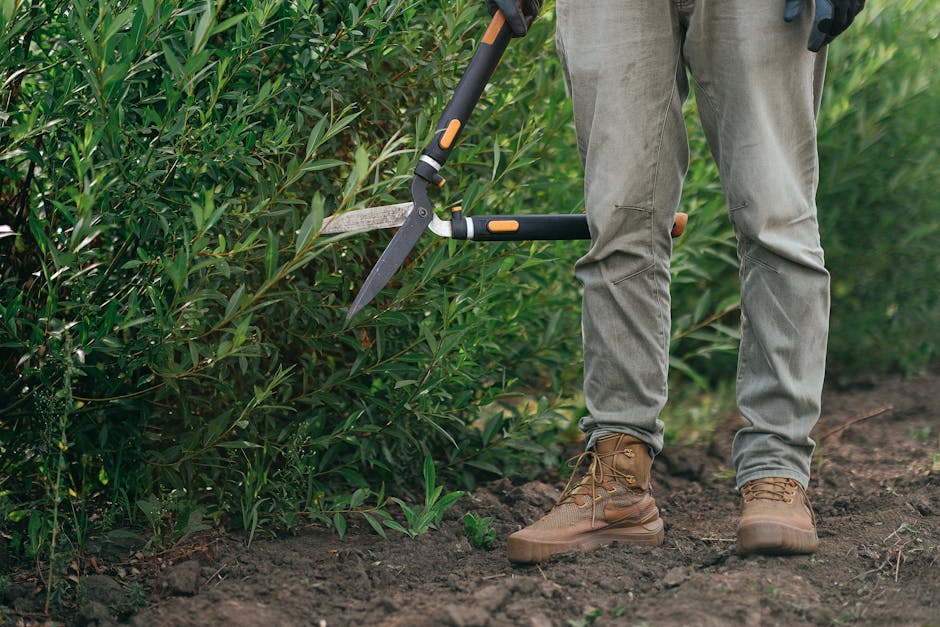
If you manage rented homes, blocks, or mixed portfolios in Enfield, outdoor upkeep can quietly make or break the first impression of a property. A neat front garden, trimmed hedge, and safe path tell tenants, neighbours, and prospective renters that the place is cared for. The opposite? Well, it tends to show up fast after a rainy week and a bit of spring growth.
Gardeners for landlords and property management Enfield is really about consistency, presentation, and risk reduction. It is not just "someone to cut the grass". It is a practical service for keeping external areas tidy, reducing complaints, supporting void-period turnarounds, and making sure gardens do not drift into a costly problem. In this guide, you will find what the service involves, how it works, where the value comes from, and how to choose a sensible approach for your portfolio.
For a broader view of the services that support this kind of maintenance, you can also review the services overview. If you want to understand the company behind the service, the about us page is useful too.
Why Gardeners for landlords and property management Enfield Matters
Outdoor space is often the first thing people notice, even before the front door opens. For landlords and property managers, that makes garden maintenance a small detail with an outsized effect. A tidy garden can support lettings, reduce neighbour friction, and help a property feel looked after rather than neglected. Let's face it, a patch of overgrown grass and a hedge leaning into the pavement rarely helps your case.
In Enfield, where you may manage anything from compact terraces to larger family homes and shared access spaces, the work tends to be recurring rather than one-off. Growth does not wait for inspections, and a garden that looks fine in May can look forgotten by July. That is why regular garden care tends to be better value than waiting until everything is visibly out of hand.
There is also a practical side that gets missed in casual conversations. Overgrown planting can hide litter, create slippery surfaces, reduce visibility near entrances, and make it harder for tenants to use outside space properly. If you manage multiple properties, those small issues can add up into repeated emails, awkward phone calls, and emergency tidy-ups you could have avoided.
Key takeaway: good garden maintenance for rental properties is not about making every outdoor space perfect. It is about keeping it presentable, usable, and easy to manage without last-minute stress.
If sustainability is part of your management standards, it may also help to read the company's recycling and sustainability approach. That matters more than people think, especially when green waste builds up after repeated visits.
How Gardeners for landlords and property management Enfield Works
In simple terms, the service usually starts with a walkthrough or site review. That could be one property or a small portfolio. The purpose is to see what needs doing now, what needs regular attention, and what can be left on a maintenance cycle. A good gardener will look at access, seasonal growth, boundary hedging, lawn condition, weeds, leaf clearance, and whether the space needs a reset before ongoing maintenance begins.
For landlords, the process often splits into three types of visit:
- Initial tidy-up: a more intensive first visit to bring the garden under control.
- Regular maintenance: scheduled work such as grass cutting, hedge trimming, pruning, and weed control.
- Void or pre-let preparation: a fast turnaround service before viewings, check-ins, or tenancy changes.
Property managers often need a slightly different rhythm. You may be coordinating between tenants, contractors, and internal deadlines, which means the gardener needs to be reliable, easy to brief, and clear on access arrangements. That sounds basic, but basic done well saves a lot of time.
A decent working method usually includes a clear scope. For example, are bins being moved back? Are side paths included? Are raised beds to be kept neat, or just kept from becoming a jungle? The more precise the brief, the less room there is for misunderstanding later.
Some clients prefer a rolling maintenance plan, while others book seasonal visits. Truth be told, both can work. The right choice depends on how quickly the garden grows, how frequently the property changes hands, and how much curb appeal matters for the location.
Key Benefits and Practical Advantages
The obvious benefit is appearance. A well-maintained garden photographs better, feels more inviting, and tends to give a stronger sense of value. For rental homes, that can matter from the first viewing through to long-term tenant satisfaction.
But there are more practical advantages too:
- Lower complaint risk: neighbours are less likely to raise concerns about hedges spilling over, weeds, or mess.
- Faster void turnaround: empty properties can be made ready without a scramble.
- Better tenant experience: tenants are more likely to respect a space that already looks cared for.
- Reduced overgrowth problems: regular maintenance is usually easier and cheaper than repeated recovery work.
- Safer access: clear paths, trimmed edges, and reduced trip hazards are better for everyone.
There is also a subtle but real management benefit: outdoor care creates a visible paper trail of attention. When a landlord or managing agent can show the property has been maintained regularly, it supports a more professional standard overall. Not glamorous, maybe, but important.
For managers handling payments and admin across several sites, it can help to keep an eye on the payment and security information so processes are clear before work starts.
| Maintenance approach | Best for | Strengths | Watch-outs |
|---|---|---|---|
| Reactive one-off callouts | Unexpected overgrowth or urgent tidy-ups | Fast response when needed | Can become more expensive over time; less predictable |
| Scheduled regular visits | Managed rentals and occupied homes | Consistent appearance, fewer surprises | Needs planning and reliable access |
| Seasonal visits | Properties with moderate growth or limited budgets | Good for spring and autumn resets | May not be enough in peak growing months |
Who This Is For and When It Makes Sense
This service is not just for large estates or premium homes. It makes sense for a wide range of landlords and property professionals in Enfield:
- Private landlords who want a simple way to keep homes presentable between tenancies.
- Letting agents who need quick, dependable outdoor tidies before marketing or inspections.
- Block and estate managers looking after shared external areas.
- Build-to-rent operators who need regular, repeatable standards across multiple units.
- Portfolio landlords with several properties spread across different streets or neighbourhoods.
It tends to make the most sense when the garden is visible from the street, used by tenants, or part of the first impression a viewer gets. If the property is vacant, the outdoor area can become a deciding factor very quickly. A tired garden can make a decent interior feel less appealing. Weird, but true.
It is also a good fit where tenant responsibilities are unclear. If the tenancy agreement does not clearly assign garden upkeep, or if past tenants have not kept on top of it, a professional maintenance plan can reset expectations and stop the same issue coming back every quarter.
If you are unsure about the overall service mix, the services overview is a sensible place to compare what is typically included.
Step-by-Step Guidance
If you are planning garden maintenance for a rental property or a managed site, a simple process works best. No need to overcomplicate it.
- Assess the property condition. Walk the garden, front approach, side access, and any shared areas. Make note of hedges, lawns, weeds, fallen leaves, bin storage, and access issues.
- Decide the maintenance goal. Are you aiming for a one-off tidy, a pre-let reset, or ongoing care? This decision shapes the work and frequency.
- Clarify access and responsibility. Who provides entry? Who handles locked gates? Who is the point of contact if the gardener finds something unexpected?
- Set the scope in plain English. Keep it straightforward: grass cut, edges trimmed, hedges shaped, weeds reduced, waste cleared, and visible areas left neat.
- Agree a schedule. Weekly, fortnightly, monthly, or seasonal visits all make sense in different situations. The key is consistency.
- Review after the first visit. Check whether the brief was understood, whether the result matches expectations, and whether anything should be adjusted.
- Keep records. Especially for managed portfolios, a simple log of visits can help with oversight and planning.
One practical tip: if a property has been neglected for a while, do not expect one visit to solve everything. A proper reset may need follow-up work. That is not a failure, just reality.
Expert Tips for Better Results
After enough repeat visits, a pattern becomes clear. The best garden maintenance outcomes come from small, regular actions rather than dramatic clean-ups once or twice a year.
1. Match frequency to growth, not the calendar
Some gardens need attention every couple of weeks in peak season. Others can stretch further. Use the garden's actual growth rate as the guide. If the grass is doing that fast-summer-thick thing by the gate, it probably needs more frequent visits.
2. Keep the brief tight
A short written scope is more useful than a vague "tidy it up" request. Mention the main priorities and any no-go areas. This avoids that awkward moment when one person assumes the patio is included and another does not.
3. Think about presentation at eye level
People notice front hedges, the line of the path, and the shape of the lawn edge before they notice anything else. Clean lines often have more impact than heavy work.
4. Use seasonal planning
Spring growth, summer maintenance, autumn leaf clearance, and winter tidy-downs all need slightly different attention. A year-round plan keeps you ahead of the mess rather than chasing it.
5. Treat access as part of the service, not an afterthought
Locked side gates, shared entrances, dog access, and tenant schedules can all slow things down. Good coordination matters more than people expect.
For more confidence around supplier standards, it is worth checking the health and safety policy and insurance and safety information before work begins. That is especially sensible for multi-property management.
Common Mistakes to Avoid
Most maintenance headaches are avoidable, which is the frustrating part, really.
- Leaving the garden too long between visits. Once growth gets away from you, the next visit becomes harder and costlier.
- Assuming tenants will always handle it. Some will, some will not, and a vague agreement often leads to disputes.
- Giving an unclear brief. "Sort the garden" is too broad if you need specific results.
- Ignoring access issues. A gardener cannot maintain what they cannot reach.
- Choosing only on price. Cheap and consistent is not always the same thing.
- Forgetting waste removal. Clippings and cuttings can be a nuisance if no disposal plan is in place.
There is a particularly common one: waiting until a property is about to be marketed before dealing with the outside space. That usually creates unnecessary pressure. A small ongoing spend often beats a larger last-minute panic, and everyone sleeps better for it.
Tools, Resources and Recommendations
You do not need a warehouse of equipment to manage gardens well, but the right tools and systems make a real difference.
For landlords and property managers, the most useful resources are often operational rather than technical:
- A property checklist for each external area
- A simple maintenance calendar with seasonal prompts
- Before-and-after photos for internal records
- Tenant communication templates for access and scheduled works
- A supplier contact list so visits are easy to arrange
If you are comparing providers, a clear pricing structure helps reduce back-and-forth. The pricing and quotes page is a useful reference point when you want to understand how estimates are typically handled.
For customers who value open communication and service standards, the contact us page is the natural next step. And if you like to understand who you are dealing with before committing, the about us page adds helpful context.
Law, Compliance, Standards, or Best Practice
Garden maintenance for rental properties is not usually the kind of work that requires complicated legal analysis, but there are still practical standards to keep in mind. The safest approach is to treat it as part of your wider duty to keep the property reasonably maintained, accessible, and safe for those using it.
For landlords and managing agents, that usually means thinking about:
- Trip hazards such as uneven paths, hidden debris, or overgrown edges
- Access routes that should remain passable and visible
- Boundary growth that may affect neighbours, pavements, or shared access
- Waste handling so cuttings and green waste are dealt with responsibly
- Contract clarity so everyone knows what is included and who is responsible
Health and safety matters too, particularly where work involves height, sharp tools, or busy access areas. It is sensible to use providers who can explain how they manage risk and how their working methods fit into a broader safety approach. That is one reason the health and safety policy and insurance and safety pages matter to commercial readers.
There is also a good practice angle around fairness and transparency. Clear service terms, sensible payment methods, and a straightforward complaints route all help when properties are managed at scale. If that matters to you, the terms and conditions and complaints procedure pages are worth reviewing.
For site-wide values such as accessibility and inclusive communication, the company's accessibility statement is another useful trust signal. It may not be the first thing you think about in garden care, but in a property management context, these details do add up.
Options, Methods, or Comparison Table
Different management setups need different garden maintenance models. Here is a practical comparison to help you decide what fits.
| Method | How it feels in practice | Pros | Best used when |
|---|---|---|---|
| One-off clearance | A reset visit to tackle an overgrown or neglected space | Useful for urgent tidies and voids | The garden is badly out of shape and needs immediate attention |
| Regular maintenance contract | Scheduled visits at a steady frequency | Predictable, neat, easier to budget for | You manage occupied homes or multiple properties |
| Seasonal support | Work focused around spring, summer, and autumn demand | Budget-friendly and practical | The garden grows moderately and does not need constant attention |
| Portfolio-based service | One supplier covers multiple addresses with a shared standard | Saves admin and helps consistency | You need a unified approach across several homes |
As a rule of thumb, regular maintenance tends to be the cleanest solution for most managed rentals. Seasonal support can work well for lower-growth sites, while one-off clearance is best seen as a reset, not a long-term plan.
Case Study or Real-World Example
Picture a small rental property in Enfield with a front lawn, narrow side passage, and a hedge that has started nudging over the boundary. Nothing dramatic. Just enough to make the property look a bit tired from the pavement. The landlord notices it on a wet morning and, to be fair, it looks worse because the light catches every uneven edge and damp leaf.
Instead of waiting until the next tenancy change, the property manager arranges an initial tidy-up followed by regular visits. The first visit clears the hedge line, cuts the grass, removes weeds from the path edges, and puts the whole space back into shape. After that, the property moves to a maintenance cycle. Not fancy. Just controlled.
A few months later, the garden still looks presentable. More importantly, it has not become a weekend emergency before a viewing. That is the win. Fewer surprises, less rush, and a much better first impression for prospective tenants walking up the path with the usual keys-and-phone-in-hand shuffle.
This is the sort of situation where garden care pays for itself in calm rather than drama. Which, in property management, is often the better outcome anyway.
Practical Checklist
Use this checklist before booking or reviewing garden maintenance for a rental property:
- Check the current condition of lawns, hedges, borders, and access paths
- Decide whether you need one-off work or regular visits
- Confirm who provides access on the day
- List the tasks that must be included
- Note any areas to avoid, protect, or leave untouched
- Agree how green waste will be removed or handled
- Set a suitable visit frequency for the season
- Make sure the supplier's safety and insurance information is available
- Review pricing and payment steps before the first visit
- Keep a record of completed work for your files
A small checklist like this saves a surprising amount of back-and-forth. And yes, it can stop the classic "I thought that bit was included" conversation, which nobody enjoys.
Conclusion
Gardeners for landlords and property management Enfield is about more than keeping grass short. It is a practical service that protects curb appeal, reduces maintenance headaches, and helps rental properties stay market-ready. When the outside of a property is tidy, the whole place feels easier to trust. That sounds simple, because it is.
The best results usually come from clear expectations, regular visits, and a maintenance plan that matches the way the property is used. Whether you manage one home or a wider portfolio, a reliable gardening approach gives you one less thing to worry about. And in property work, one less thing is often a big deal.
If you are comparing providers or planning a maintenance schedule, start with the service details, review the practical standards, and ask about the fit for your property type. A bit of care now can save a lot of scrubbing, chasing, and apologising later.
Get a free quote today and see how much you can save.
Frequently Asked Questions
What do gardeners for landlords and property management in Enfield usually include?
It often includes grass cutting, hedge trimming, edging, weed control, leaf clearance, and general tidy-up work. The exact scope depends on whether the property needs a one-off reset or regular maintenance.
How often should a rental property garden be maintained?
That depends on growth, season, and use. In peak growing periods, some gardens need more frequent visits, while lower-growth properties may only need seasonal attention. A regular schedule is usually easier to manage than reactive callouts.
Is garden maintenance the tenant's responsibility or the landlord's?
It depends on the tenancy agreement and how responsibilities are set out. In practice, unclear agreements can lead to problems, so it is better to define who does what before the garden becomes an issue.
Can garden maintenance help with property lettings?
Yes. A tidy outdoor space improves first impressions, supports photography, and makes a property feel more cared for. For viewings, that can make a real difference.
What should property managers ask before booking a gardener?
Ask what is included, how access works, whether waste is removed, what safety measures are used, and how pricing is structured. Clear answers early on usually mean fewer surprises later.
Do I need a one-off tidy or a regular contract?
If the garden is badly overgrown or the property is between tenancies, a one-off tidy may be the right start. If you want consistent presentation, a regular contract is usually better.
How do I prepare a property for garden work?
Make sure access is available, pets are secured, gates can be opened, and any special instructions are passed on in advance. A little preparation makes the job smoother.
What if the garden has been neglected for a long time?
A neglected garden may need an initial clearance before it can move into normal maintenance. That is fairly common, and it is usually better to treat it as a reset rather than expecting instant perfection.
Are there safety concerns with hedge trimming and garden work?
Yes. Tools, height, debris, and access all create risk if work is not planned properly. It is sensible to use a provider that can explain its safety approach and insurance cover.
Can outdoor maintenance help reduce complaints from neighbours?
It often can. Overgrown hedges, untidy front gardens, and leaf build-up are common sources of neighbour frustration. Regular maintenance helps keep those issues under control.
How do I compare different gardening providers fairly?
Compare scope, reliability, safety, payment terms, sustainability practices, and communication. Price matters, of course, but a slightly cheaper quote is less useful if it creates more work for you later.
Where can I learn more about the company's standards and process?
You can review the about us, terms and conditions, and insurance and safety pages for a clearer picture of how the service is run.