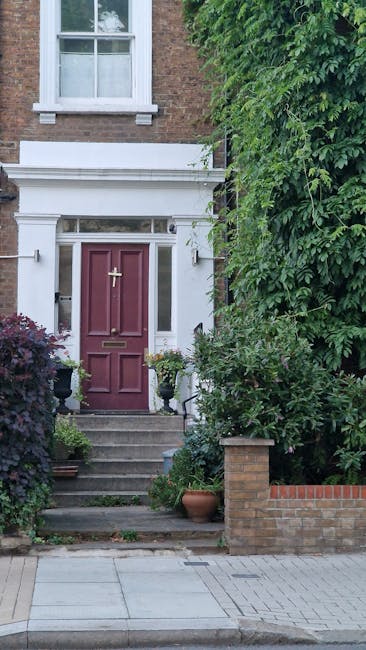
Enfield Lock gardeners for terrace front garden makeovers
If you live in a terrace, you already know the front garden can be tiny, awkward, and strangely powerful. It is the bit people see first. It frames the house, softens the street view, and sets the tone before anyone even reaches the door. That is why Enfield Lock gardeners for terrace front garden makeovers matter so much: they turn a narrow, often underused patch into something neat, welcoming, and genuinely useful. Not just pretty, either. Practical. Manageable. Something that works in real life, not just on a mood board.
In a place like Enfield Lock, where homes often sit close to the pavement and front spaces need to earn their keep, the best makeover is rarely the flashiest. It is the one that suits the property, the light, the soil, and the amount of time you actually want to spend maintaining it. Below, you will find a clear guide to what a terrace front garden makeover involves, how local gardeners approach it, what choices make the biggest difference, and where people often go wrong. If you are weighing up costs, designs, or whether it is even worth doing at all, this should help you decide with a lot more confidence.
Table of Contents
- Why Enfield Lock gardeners for terrace front garden makeovers Matters
- How Enfield Lock gardeners for terrace front garden makeovers Works
- Key Benefits and Practical Advantages
- Who This Is For and When It Makes Sense
- Step-by-Step Guidance
- Expert Tips for Better Results
- Common Mistakes to Avoid
- Tools, Resources and Recommendations
- Law, Compliance, Standards, or Best Practice
- Options, Methods, or Comparison Table
- Case Study or Real-World Example
- Practical Checklist
- Conclusion
- Frequently Asked Questions
Why Enfield Lock gardeners for terrace front garden makeovers Matters
A terrace front garden is not just a bit of leftover ground. It is part of the home's first impression, but it also affects how you live with the property day to day. A good layout can make bin storage less obvious, parking access easier to manage, and the whole frontage feel calmer. A poor layout does the opposite. It looks busy, gets muddy fast, and becomes one of those places you stop noticing because it never quite works.
For terrace homes in Enfield Lock, there is often a balancing act between style and function. Front spaces may be narrow, shaded by neighbouring buildings, or exposed to foot traffic and road grit. That means the makeover has to be smart. Not just planted up. Smart. A local gardener will usually think in terms of drainage, maintenance load, planting resilience, and how the design sits with the street. That is the real value here.
There is also a very practical point: a front garden gets seen every day. You do not need to be obsessed with kerb appeal to appreciate the difference a tidy, well-shaped entrance makes. You feel it when you come home in the rain and the path is clear. You notice it when the planting still looks decent in February. Small things. But they add up.
Expert summary: the best terrace front garden makeover is not the one with the most features; it is the one that fits the space, stays manageable, and keeps its shape through the seasons.
How Enfield Lock gardeners for terrace front garden makeovers Works
In practice, a front garden makeover usually starts with a proper look at what is already there. A gardener or landscaper will assess the size of the space, drainage, soil condition, sun exposure, access, and whether the frontage is mainly decorative or expected to do more, like provide storage, screening, or a clear route to the door.
From there, the process is usually part design, part problem-solving. The older the terrace, the more likely there are small quirks: uneven edging, compacted soil, a slope that always puddles, or a planting strip that has never really thrived. Truth be told, half the job is often removing the stuff that makes the space feel tired and cramped. Then the rest is shaping something more elegant.
Local gardeners often work in stages:
- Clearing out unwanted material, weeds, damaged edging, or failing plants
- Checking levels and drainage so water does not sit against the house or path
- Deciding on hard landscaping elements such as paths, borders, edging, or small retaining details
- Choosing planting that suits narrow front gardens and the amount of light available
- Finishing with mulch, gravel, or low-maintenance surfacing where appropriate
The shape of the work can vary a lot. Some terrace front gardens need a full redesign. Others just need a cleaner layout, a stronger planting scheme, and a better surface treatment. A simple refresh can be enough if the bones of the garden are decent. No need to overcook it.
If the project sits alongside broader outdoor improvements, it can also make sense to look at landscaping or broader landscape gardening options, especially when the frontage needs both structure and planting to feel finished.
Key Benefits and Practical Advantages
The biggest benefit is simple: a front garden makeover makes the home feel looked after. But there are several practical wins tucked inside that.
- Better street presence: a neat terrace frontage immediately improves the way a property reads from the pavement.
- Lower maintenance: the right design can reduce weeding, cutting, and constant patching.
- Improved access: paths, borders, and entrances can be arranged so they feel clearer and safer.
- More usable space: even a tiny front plot can hold planting, a small bin screen, or tidy edging without feeling cluttered.
- Seasonal interest: thoughtful planting keeps the space from going flat in winter or overgrown in summer.
There is also the less obvious benefit of rhythm. A front garden that is easy to care for tends to stay in better condition, which means you do not get the slow slide into mess that happens when maintenance feels like a chore. You know the type: one weekend you ignore the weeds, the next they have made themselves at home.
And let's face it, a tidy front garden can make the whole terrace row feel more polished. That matters if neighbours take pride in their homes too. The effect is contagious, in a good way.
Who This Is For and When It Makes Sense
This kind of work is a good fit for anyone who wants their terrace frontage to look better without turning it into a high-maintenance hobby. That includes:
- Homeowners preparing to stay long-term and wanting a more welcoming entrance
- Buyers who have moved into a terrace with a tired or neglected front plot
- Landlords who want the property to feel well kept without creating extra upkeep headaches
- Busy households that want low-fuss planting and clear paths
- People with small or awkward front spaces that never quite seem to work
It also makes sense if you are already fed up with a few recurring problems: soil washing onto the path, patchy grass that never really recovers, plants collapsing every winter, or a frontage that feels bare but somehow still cluttered. How does that happen? Usually by trying to do too much in too little space.
In our experience, the best time to act is before the garden gets into a cycle of neglect. Once a front space has become compacted, weedy, and visually broken up, you can still fix it, but the job becomes more involved. Still doable. Just a bit more work.
Step-by-Step Guidance
If you are planning a terrace front garden makeover, this is a sensible way to approach it. Not fancy. Just effective.
- Look at the space honestly. Measure the area, note where the sun falls, and identify what currently frustrates you most. Is it the weeds, the layout, the lack of colour, or the fact that nothing feels finished?
- Decide the main purpose. Do you want more planting, easier upkeep, a better entrance, or a cleaner edge to the property? Pick the main aim first. Everything else should support it.
- Clear out what is not earning its place. Remove dead plants, broken pots, unstable borders, and any material that is simply taking up room. This stage often reveals the true shape of the garden. A little ruthless, maybe, but helpful.
- Sort the ground conditions. If the soil is poor or compacted, improve it before planting. If drainage is bad, fix that early. Otherwise you are decorating a problem.
- Build the structure. Add paths, edging, or defined beds if needed. In a small terrace garden, structure matters more than people think.
- Choose planting with restraint. Pick plants that suit the aspect and won't overwhelm the space. Repetition usually looks better than a crowded mix.
- Finish with a surface strategy. Mulch, gravel, or a neat paved area can help keep weeds down and make maintenance easier.
- Plan upkeep from day one. Even the best makeover needs light care. A seasonal tidy-up routine keeps it looking fresh.
A quick example: a narrow terrace frontage with a tired strip of grass may be better turned into a slim border with evergreen structure and a small paved section by the path. It feels cleaner, and it is easier to manage in wet weather. Simple, but it works.
Expert Tips for Better Results
Good terrace front gardens usually have one thing in common: restraint. Not emptiness. Restraint.
Here are a few practical habits that make a real difference:
- Use repetition in planting: a few repeated plants usually look more elegant than a jumble of one-offs.
- Keep the tallest elements under control: front gardens can feel hemmed in very quickly, so avoid planting that crowds the entrance.
- Think about winter first: the front garden has to look decent when the weather is dull, not just in June.
- Make access obvious: paths and steps should feel natural, not like an afterthought.
- Choose finishes that suit the street: too many competing materials can make a small space feel fussy.
- Leave room for maintenance: you need to reach borders, trim edges, and clear leaves without performing yoga on the paving.
One very useful tip: stand at the pavement edge and look at the garden from there, not from inside the house. That is how visitors see it. If it feels cluttered from that angle, it probably is. The fix is usually simpler than you think.
If privacy is part of the brief, a carefully placed hedge or screening plant can help, but keep it proportionate. A front garden is not a back garden. There is no need to wall yourself off from the street unless there is a clear reason.
For front spaces that need regular care, a maintenance plan matters too. Linking the makeover to ongoing garden maintenance can save a lot of time later, especially where planting beds need occasional pruning or seasonal refreshes.
Common Mistakes to Avoid
People usually do not ruin a front garden by doing one dramatic thing wrong. It is more often a chain of small misjudgements. Fairly normal, really.
- Overfilling a small space: too many plant types, pots, ornaments, and materials make the garden feel busy and smaller than it is.
- Ignoring drainage: if water pools near the house or path, the makeover will not hold up well.
- Choosing high-maintenance planting by accident: a plant can look lovely in the nursery and still be a pain in a tiny frontage.
- Forgetting the entrance route: if the route to the door feels awkward, the whole garden feels awkward.
- Using weak edging: borders without clear definition often blur into mess after a few months.
- Designing for summer only: winter is where many good intentions quietly fall apart.
There is also the classic mistake of copying a design from a larger suburban garden and shrinking it down. That rarely works. Terrace gardens need different proportions, different planting density, and a more disciplined layout. Smaller garden, sharper choices.
If the front has been ignored for a while, clearance may be needed before any real design work begins. In those cases, a service such as garden clearance can be the practical starting point before planting or hard landscaping begins.
Tools, Resources and Recommendations
You do not need an enormous kit to improve a terrace front garden, but the right tools make the job cleaner and less frustrating. For a straightforward makeover, gardeners will usually rely on tools for clearance, edging, soil preparation, planting, and finishing.
Useful basics include:
- Spade and border fork for breaking up soil
- Secateurs for shaping shrubs and trimming back tired growth
- Hand trowel for planting in tight spaces
- Rake for levelling soil or decorative surface materials
- Wheelbarrow or rubble sacks for removal of waste
- Edging tools to create sharper lines between beds and paths
For a homeownwer, a small set of hand tools may be enough to keep the space tidy after the makeover. If you are not the sort who enjoys a Saturday spent chasing weeds, it is worth choosing low-maintenance materials and robust planting from the start. That is not laziness. That is sensible design.
When a project is larger or involves multiple trades, it helps to review the wider service offer too. A page like services overview can be useful for understanding what kind of work may fit together, while pricing and quotes helps set expectations before anything gets underway.
If sustainability matters to you, ask how green waste is handled and whether materials are reused or recycled where possible. A good garden project should not create an unnecessary pile of waste. That bit is common sense, but it is still worth checking.
Law, Compliance, Standards, or Best Practice
Front garden work in a terrace setting is usually straightforward, but best practice still matters. If your design includes hard surfaces, changes to levels, boundary alterations, or work near drainage runs, it is sensible to check what is appropriate for your property before starting. In shared or tightly packed terrace settings, there may also be practical neighbour considerations, even if the work is entirely on your side.
For any work involving tools, machinery, waste removal, or access near public walkways, safety should be taken seriously. Reputable gardeners should have clear processes for safe working, sensible site tidiness, and handling of materials. You can review a company's approach through pages such as insurance and safety and health and safety policy if you want reassurance before commissioning work.
It is also sensible to think about access, drainage, and biodiversity in a practical way. For example, if the makeover removes a lot of planting, replacing it with entirely sealed surfaces may not be the best answer. On the other hand, if the space is constantly muddy, some hard landscaping might be exactly what is needed. The point is balance.
Waste disposal, recycled materials, and responsible clearing are worth asking about too. If sustainability is part of your decision, a provider's approach to recycling and sustainability can tell you a lot about how they work.
Options, Methods, or Comparison Table
Different terrace front gardens need different solutions. The right method depends on whether you want the lightest refresh possible or a fuller transformation.
| Approach | Best for | Pros | Possible drawback |
|---|---|---|---|
| Simple tidy-up and replanting | Gardens with decent structure but tired planting | Quick, cost-conscious, improves appearance fast | May not fix deeper layout problems |
| Low-maintenance redesign | Busy households and small terraces | Easy to care for, cleaner look, strong kerb appeal | Needs careful plant selection and layout planning |
| Full front garden makeover | Neglected or badly arranged spaces | Best transformation, can solve drainage and access issues | More time, more disruption, usually higher cost |
| Hard landscaping led approach | Sites with poor soil or frequent mud | Durable, practical, crisp finish | Can look harsh if planting is not balanced in well |
For many terrace homes, the best answer sits somewhere between a tidy-up and a full redesign. That middle ground is often where the best value lives. Not too much. Not too little. Just enough to make the space work.
If you are working from a very tired frontage, a broader service such as landscaping may be more suitable than simply replanting, while smaller decorative updates may sit better alongside routine lawn mowing or selective planting care.
Case Study or Real-World Example
Take a typical terrace front garden in Enfield Lock: narrow plot, patchy grass, a few overgrown shrubs, and a path that always seemed to collect mud after rain. Nothing dramatic. Just a space that had quietly become a nuisance.
The makeover began by clearing out the tired planting and defining a cleaner route from the gate to the door. The old grass was removed because it was never going to become lush in that setting, not without a lot more effort than the space deserved. In its place went a mixed layout: a compact paved access strip, slim borders with evergreen structure, and a small number of flowering plants chosen for seasonal colour without constant fuss.
The result was not extravagant. That is the point. It looked sharper from the street, the entrance felt wider, and the owner no longer had to deal with muddy shoes every time it rained. On a damp morning, that alone can feel like a proper win. One of those quiet home improvements that just makes life easier.
In another similar project, a homeowner chose a stronger screening plant and a tidier surface finish after realising the original front garden had become too exposed. A page such as choosing tall potted plants designed for seclusion can be useful for thinking through privacy and screening ideas, even if the setting is different.
Practical Checklist
Use this checklist before you start, or before you ask a gardener to quote.
- Have you measured the space accurately?
- Do you know what the main job of the front garden is?
- Is the drainage acceptable, or does water sit in the wrong place?
- Have you decided whether the space needs hard landscaping, planting, or both?
- Will the planting suit the level of sun and shade in the terrace frontage?
- Is there enough room to walk comfortably from gate to door?
- Have you thought about winter appearance, not just summer colour?
- Do you want a low-maintenance finish rather than a highly decorative one?
- Have you checked how waste will be removed responsibly?
- Does the overall plan fit the look of the terrace and the street?
If you can answer most of those with confidence, you are in a good position. If not, that is fine too. It simply means the design stage needs a bit more thought before anything gets dug up.
Conclusion
Enfield Lock gardeners for terrace front garden makeovers are about more than neat borders and a fresh layer of soil. They help turn a small, often awkward frontage into a space that feels intentional, tidy, and easy to live with. That might mean better planting. It might mean hard landscaping. Often, it means a bit of both, shaped around the realities of a terrace home rather than an idealised garden magazine image.
The strongest makeovers are usually the simplest ones done well: a clearer layout, better materials, tougher planting, and a design that respects the limits of the space. If you get those basics right, the front garden starts working for you instead of against you. And that is a very good feeling when you come home in the evening and see it looking calm, even on a grey day.
Get a free quote today and see how much you can save.
Sometimes the best home improvement is the one that quietly makes every day feel a little more welcoming. That sort of change lasts.
Frequently Asked Questions
What do Enfield Lock gardeners for terrace front garden makeovers usually include?
They usually include clearing, reworking the layout, improving planting, edging, and often small hard landscaping touches such as paths or decorative surfacing. The exact mix depends on the size of the frontage and how much maintenance you want afterwards.
How much work is needed for a small terrace front garden?
Sometimes surprisingly little. A small terrace garden may only need a clear-out, better edging, and a more suitable planting scheme. If the soil is poor or the layout is awkward, though, the work can become more involved.
Can a front garden makeover be low maintenance?
Yes, very much so. In fact, that is one of the most common goals. Good design can reduce weeding, watering, and seasonal mess by using the right plants and surfaces for the site.
What plants work well in narrow front gardens?
It depends on light, soil, and exposure, but compact shrubs, evergreen structure, and reliable seasonal plants usually work better than overcrowded mixed planting. Repetition often looks cleaner than variety for variety's sake.
Is hard landscaping better than planting for a terrace front garden?
Not always. Hard landscaping is useful where access is poor or mud is a constant issue, but planting softens the look and can make a frontage feel more welcoming. The best result often combines both.
How long does a front garden makeover take?
That varies a lot. A light refresh may be completed quickly, while a fuller redesign involving clearance, ground preparation, and new features will take longer. Weather and material availability can also affect timing.
Do I need permission for front garden changes?
Usually simple planting and tidying do not raise issues, but more substantial changes to levels, surfaces, drainage, or boundary features may need checking. If you are unsure, it is wise to confirm before work begins.
What is the biggest mistake people make with terrace front gardens?
Overcrowding the space. It is very easy to add too many plants, pots, and decorative bits, and then the garden starts to feel smaller and harder to maintain. Simpler layouts usually age better.
Will a makeover improve property appearance?
Usually yes. A tidy, balanced front garden makes a terrace look more cared for and can improve the whole street-facing impression. It does not need to be elaborate to make a difference.
Should I choose a full redesign or a simple refresh?
If the structure is still sound, a refresh may be enough. If drainage is poor, the layout is awkward, or the space has become heavily neglected, a fuller redesign may be more sensible in the long run.
How do I keep the front garden looking good after the makeover?
Set a light maintenance routine. Remove weeds early, trim planting before it becomes overgrown, clear leaves, and check edges and paths each season. Little and often usually works best, honestly.
Where can I get more help planning the work?
It helps to look at service pages, compare the scope of work, and review practical information such as quotes, safety, and maintenance options. Starting with a clear brief makes the whole process smoother and less stressful.
Contact us when you are ready to talk through the space, share a few photos, and get practical guidance for the next step. A good front garden starts with a proper conversation, and sometimes that is all it takes to get things moving.